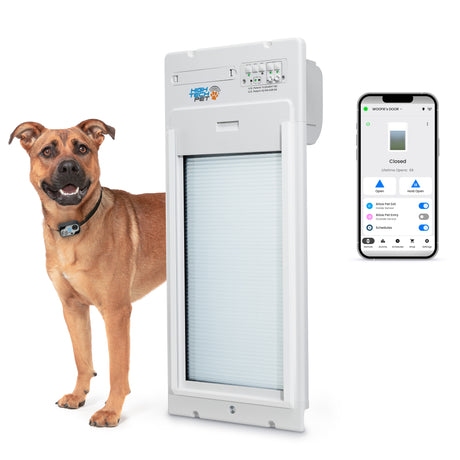


A window cat door insert is one of the least invasive ways to give your cat independent access — no cutting into a wall, no modifying an actual door. But "less invasive" doesn't mean "no safety considerations." Window installations come with their own checklist, and skipping it is how you end up with a wobbly panel, a drafty seal, or worse, a genuine injury risk for your cat.
Why windows need a different safety approach
A window insert sits within an existing frame rather than being built into solid wall material, which means its stability depends heavily on the window itself — the frame material, the glass type, and how well the insert panel is sized and secured. Treating this like a simple accessory install skips the structural questions that actually matter here.
Confirm your window can actually support it
Before buying anything, check what your window frame is made of and whether it's tempered or standard glass. Vinyl and aluminum frames generally handle insert panels well; older wood frames may need reinforcement. If your window uses tempered safety glass, don't attempt to cut or modify the glass itself — a proper window insert panel is designed to replace a section without cutting tempered glass, which is exactly why this installation method exists in the first place.
Get the height and placement right for your cat
Measure your cat's chest height while standing, not just their overall size, and choose window placement where the resulting opening lines up with a comfortable step-through height — not so high they have to jump, not so low it creates an awkward crouch. If you're working with a double-hung or sliding window, also confirm the insert fits securely within the sash track without leaving play or wobble once installed.
Avoid sharp edges and pinch points
Any cut or fitted edge around the insert panel should be checked by hand for sharpness before your cat ever uses the door — file down or cover any rough plastic or metal edges. Also check the flap's swing clearance against the frame itself; a flap that catches or pinches against the window casing on its way open or closed is a real hazard, not just an annoyance.
Seal it properly, not just fit it
A window insert that's sized correctly but not properly sealed around its edges will draft and leak just as much as a poorly fitted wall installation. Use the weatherstripping or sealing kit that comes with the unit rather than skipping it, and check the seal again after the first few weeks, since panels can settle slightly after installation.
Don't overlook your window's security features
If your window has a lock, latch, or alarm sensor, confirm the insert doesn't interfere with any of them before you finalize the installation. Some window alarm sensors need to be relocated or replaced with a version compatible with the insert panel, and it's worth doing that check during installation rather than discovering a disabled sensor later.
Ready to Upgrade?
A window cat door insert is a genuinely convenient option, but "safely installed" means confirming your window can support it, getting the height right for your specific cat, checking for sharp edges and pinch points, sealing it properly, and accounting for any security features the window already has. Skip any of those and you've traded one problem for a different one.