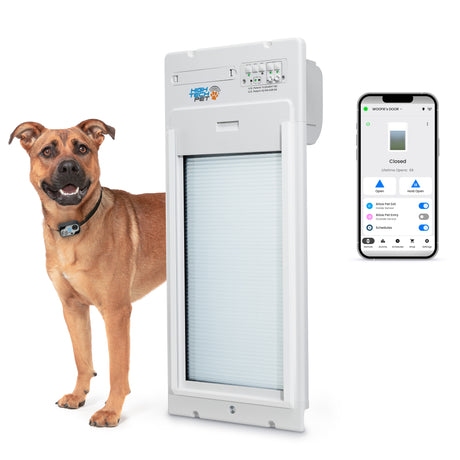


Installing a doggie door is one of the most convenient upgrades you can make for your home and your pet. A well-installed pet door allows dogs to move freely between indoor and outdoor spaces, reducing accidents, improving exercise opportunities, and making daily routines easier for pet owners.
Many homeowners assume installing pet doors for dogs requires professional help, but the truth is that many modern pet door systems are designed for simple DIY installation. With the right tools and careful planning, you can install the best dog door for door applications in just a few hours.
This guide will walk you through the key steps to successfully install your own dog door.
Why Install a Doggie Door?
Before getting into the installation process, it’s worth understanding why so many homeowners choose to install a doggie door.
A properly installed pet door offers several important benefits:
-
Greater independence for your dog
-
Fewer interruptions when pets need to go outside
-
Improved house training for puppies
-
Increased daily activity for pets
-
Reduced stress for pet owners with busy schedules
Whether you're installing a door in a traditional entry door or adding a glass door dog door, the convenience quickly becomes one of the most appreciated upgrades in the home.
Step 1: Choose the Right Dog Door
Not all pet doors are the same. Choosing the right model for your home and pet is the first step toward a successful installation.
When selecting the best dog door for door installations, consider:
Pet Size
Measure your dog’s:
-
Shoulder height
-
Width at the shoulders
-
Weight
Your doggie door should allow your dog to walk through comfortably without crouching or squeezing.
Door Type
Different homes require different installation approaches. Common options include:
-
Wooden doors
-
Metal doors
-
Glass door installations
-
Wall-mounted systems
If you have sliding glass doors, you may need a specially designed glass door dog door insert.
Security Features
Modern pet doors for dogs often include security panels, electronic access, or collar-activated entry to prevent unwanted animals from entering.
Step 2: Gather Your Tools
Before installing your doggie door, gather the tools you’ll need.
Most installations require:
-
Measuring tape
-
Pencil or marker
-
Drill
-
Jigsaw
-
Screwdriver
-
Level
-
Safety glasses
Many pet door kits include a cutting template to help guide the installation.
If you're installing the best dog door for door systems designed for DIY installation, the kit should include all mounting hardware.
Step 3: Measure and Mark the Installation Area
Proper placement is critical when installing a doggie door.
Follow these tips:
-
Measure the distance from the floor to your dog’s belly.
-
Use this measurement to determine the bottom placement of the opening.
-
Tape the template provided with your pet door to the door surface.
-
Use a level to ensure the template is straight.
Correct placement ensures your dog can comfortably use the pet doors for dogs without difficulty.
Step 4: Cut the Door Opening
Once the template is marked, it’s time to create the opening.
Steps include:
-
Drill starter holes in the corners of the template.
-
Use a jigsaw to cut along the marked lines.
-
Carefully remove the cut section.
Take your time during this step to ensure clean edges and proper alignment for your doggie door.
If you're installing a glass door dog door, the process may differ slightly depending on whether you're installing a panel insert or replacing part of the glass.
Step 5: Install the Pet Door Frame
After cutting the opening, insert the pet door frame into the hole.
Most pet doors for dogs include two frame pieces:
-
An interior frame
-
An exterior frame
The frames sandwich the door material between them.
To install:
-
Place the outer frame into the opening.
-
Align the interior frame on the opposite side.
-
Secure both frames using the provided screws.
Be sure to tighten evenly to avoid warping the frame.
High-quality systems designed as the best dog door for door installations typically include weather seals that help prevent drafts.
Step 6: Seal and Finish the Installation
Proper sealing ensures your doggie door remains weather-resistant and energy efficient.
After installing the frame:
-
Apply weather stripping if included
-
Seal edges with caulk if needed
-
Check for gaps
This is especially important if you’re installing a glass door dog door or exterior door installation exposed to the elements.
Step 7: Train Your Dog to Use the Door
Once your pet door is installed, your dog may need a little encouragement to start using it.
Helpful training tips include:
-
Hold the flap open and guide your dog through
-
Use treats and positive reinforcement
-
Practice going in and out several times
Most dogs quickly learn how to use pet doors for dogs, especially when they realize it gives them freedom to explore outside.
Common Installation Mistakes to Avoid
While installing a doggie door is relatively simple, homeowners sometimes make a few common mistakes.
Installing the Door Too High
If the door is placed too high, your dog may struggle to enter comfortably.
Choosing the Wrong Size
A door that’s too small can discourage your dog from using it.
Skipping Weather Sealing
Poor sealing can lead to drafts, moisture, and energy loss.
Selecting the best dog door for door applications and following installation instructions carefully can prevent these issues.
When to Consider a Smart Pet Door
While traditional doggie door designs work well, some homeowners prefer advanced electronic systems.
Automatic pet doors offer features like:
-
Collar-activated entry
-
Enhanced security
-
Better weather insulation
-
Smart home integration
These options provide additional convenience for homeowners looking for the most advanced pet doors for dogs available.
Final Thoughts
Installing a doggie door is one of the most practical upgrades for dog owners. A well-installed pet door gives pets freedom, reduces stress for owners, and improves daily routines.
Whether you’re installing a traditional door or a glass door dog door, the process is manageable for most homeowners with basic tools and careful measurements.
By selecting the best dog door for door installations and following this step-by-step guide, you can successfully add a durable, convenient pet access solution to your home.
Your dog will quickly learn to enjoy the independence—and you’ll appreciate the convenience every day.