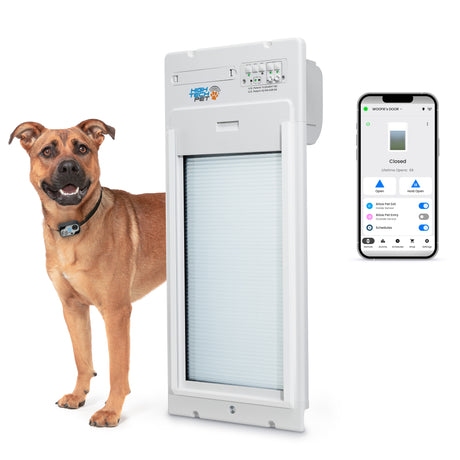


Automatic pet technology has transformed the way pet owners manage their homes. A modern automatic dog door allows your dog to come and go safely without constant supervision while also improving convenience for busy households. Today’s electronic dog door systems use smart sensors, collar keys, and advanced security features to control access and keep pets safe.
However, like any smart home device, proper installation, maintenance, and usage are important for safety. Whether you’re installing a new smart dog door or upgrading from a traditional flap, following the right safety practices will ensure your pet stays protected while enjoying the freedom of an automatic pet door.
Below are the most important safety tips every pet owner should know when using electronic pet doors for dogs.
1. Choose the Right Automatic Dog Door for Your Pet
Safety begins with selecting the correct automatic dog door for your dog’s size and behavior.
A door that is too small can cause discomfort or discourage your pet from using it, while a door that is too large may reduce security. When selecting an electronic dog door, measure your dog’s:
-
Shoulder height
-
Body width
-
Weight
Your dog should be able to walk through the opening comfortably without crouching or squeezing.
High-quality electronic pet doors for dogs are designed with adjustable opening speeds, secure locking mechanisms, and properly sized entryways to ensure pets move through safely.
2. Use Collar-Activated Access
One of the biggest safety advantages of a smart dog door is controlled access.
Traditional pet doors allow any animal to enter your home, but an electronic dog door typically uses a collar key or sensor that activates the door only when your dog approaches.
This helps prevent:
-
Stray animals entering the home
-
Wildlife access
-
Unwanted neighborhood pets inside your house
With a properly configured automatic pet door, the door will only open for pets wearing the correct sensor, dramatically improving home security.
3. Install the Door in a Safe Location
Where you install your automatic dog door plays a big role in safety.
The best installation locations include:
-
Solid exterior doors
-
Secure wall installations
-
Reinforced patio doors
Avoid installing an electronic dog door in areas where pets might run directly into hazards such as busy roads, swimming pools, or unfenced yards.
If your yard is large or open, combining an automatic dog door with a containment system such as a wireless fence can help ensure pets stay within safe boundaries.
4. Adjust Door Speed and Sensitivity
Many modern smart dog door systems allow you to adjust how quickly the door opens and closes.
This is especially important for:
-
Small dogs
-
Senior pets
-
Puppies
A slower opening speed helps prevent pets from being startled or bumped by the door panel.
Some electronic pet doors for dogs also include obstruction sensors that stop the door from closing if something is in the doorway. These safety features prevent accidental contact with your dog while entering or exiting.
5. Regularly Inspect the Door Mechanism
Like any mechanical device, an automatic pet door should be inspected periodically to ensure it continues to function properly.
Check for:
-
Smooth opening and closing
-
Secure mounting hardware
-
Clean sensors
-
Proper collar key function
Dust, debris, or weather exposure can affect the sensors used by an electronic dog door, so cleaning the unit occasionally will help maintain reliable performance.
Routine inspection also ensures the automatic dog door remains properly aligned and safe for everyday use.
6. Train Your Dog to Use the Door Properly
Even the best automatic dog door requires a short training period for most pets.
Training your dog ensures they approach the door calmly and understand how it works.
Helpful training steps include:
-
Introduce the door slowly.
-
Allow your dog to watch the door open.
-
Encourage them with treats or praise.
-
Practice entering and exiting several times.
Most dogs quickly learn to use electronic pet doors for dogs, especially when they realize the door opens automatically for them.
Training also prevents pets from charging the door too quickly, which improves overall safety.
7. Secure the Door at Night or When Away
Many smart dog door systems include programmable security settings.
These features allow you to:
-
Lock the door during nighttime hours
-
Restrict access while away from home
-
Control entry through a mobile app
Using these controls ensures your automatic pet door does not remain open when it shouldn't.
Some advanced electronic dog door systems even include WiFi connectivity, allowing homeowners to monitor activity and manage settings remotely.
8. Protect the Door from Weather
Automatic pet doors are designed to handle outdoor conditions, but proper installation helps maximize durability.
Ensure your automatic dog door includes:
-
Weather sealing
-
Insulated panels
-
Tight-fitting frames
This prevents drafts, water infiltration, and temperature loss.
High-quality electronic pet doors for dogs often include insulated door panels designed for energy efficiency, helping maintain indoor comfort while still providing pet access.
9. Monitor Your Pet’s Outdoor Environment
While an automatic dog door provides freedom, it’s still important to ensure your outdoor space is safe.
Before allowing unsupervised outdoor access, check that your yard:
-
Is securely fenced
-
Does not contain toxic plants
-
Is free of sharp objects or hazards
Pairing a smart dog door with proper yard safety measures ensures your pet can safely enjoy the independence the door provides.
10. Upgrade to Smart Pet Technology
Many homeowners are now upgrading to advanced electronic dog door systems that integrate with smart home technology.
A smart dog door may include features like:
-
Smartphone monitoring
-
Programmable schedules
-
Multiple pet recognition
-
Activity tracking
These innovations allow pet owners to monitor how often pets go outside while maintaining complete control over the automatic pet door.
Smart systems provide both convenience and additional layers of safety.
Final Thoughts
An automatic dog door is one of the most convenient upgrades for pet owners, giving dogs independence while simplifying daily routines. With the right installation and safety practices, an electronic dog door can provide secure and reliable access for years.
By choosing a high-quality smart dog door, properly training your pet, and maintaining the system regularly, homeowners can enjoy the full benefits of electronic pet doors for dogs without compromising safety.
A well-installed automatic pet door gives your dog the freedom they love while giving you peace of mind that your home—and your pet—remain protected.