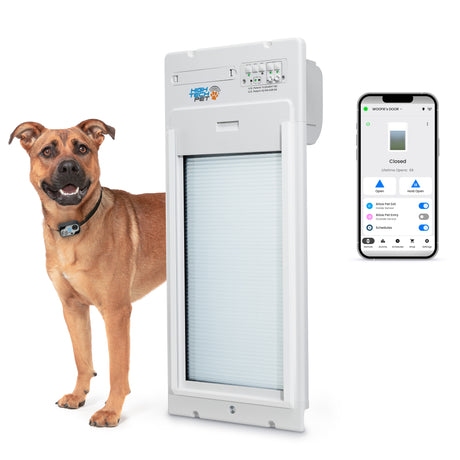


Modern pet owners are constantly looking for ways to make their homes both functional and beautiful. One design trend gaining popularity is the interior door with doggie door, a solution that allows pets to move freely between rooms without sacrificing style.
Instead of leaving doors open or constantly letting your dog in and out of different areas of the house, installing an interior door with pet door built directly into the door can create a cleaner and more convenient living space.
From laundry rooms and home offices to basements and mudrooms, an interior dog door can improve your daily routine while maintaining the aesthetic of your home.
Why Interior Dog Doors Are Becoming Popular
Many homeowners think of pet doors as something installed on an exterior door leading to the backyard. But interior pet doors are becoming increasingly popular because they solve a different set of everyday problems.
An interior door with dog door access allows your pet to move between indoor spaces without needing help from you.
This can be especially helpful in situations like:
-
Keeping litter boxes in a separate room
-
Allowing dogs access to a laundry room or mudroom
-
Letting pets reach food and water areas
-
Giving dogs access to a sleeping area at night
Instead of leaving doors open all day, an interior door with pet door built in keeps rooms private while still allowing pets to pass through easily.
Benefits of Installing an Interior Door with a Pet Door
Adding an interior dog door can simplify life for both pets and owners. Here are some of the biggest advantages.
More Freedom for Your Pets
Dogs naturally move between spaces throughout the day. Without a pet door, they often scratch or wait near the door until someone opens it.
An interior door with doggie door access allows them to move independently between rooms.
This freedom reduces anxiety and helps pets feel more comfortable in the home.
Better Home Organization
Many pet owners keep certain areas of the house designated for pet activities.
For example, food bowls, beds, and litter boxes are often placed in laundry rooms or utility rooms. With an interior door with pet door access, pets can access these areas without requiring the door to stay open.
This keeps your home cleaner and more organized.
Privacy for Family Members
In homes with multiple people, privacy can sometimes conflict with pet access.
For example, a home office or bedroom door may need to remain closed. Installing an interior door with pet door built in allows pets to come and go while the room remains private.
Stylish Design Options
A common concern homeowners have is whether a pet door will make their home look less polished.
Fortunately, modern interior door with dog door designs are made to blend seamlessly with home décor.
Pet doors today are available in a variety of styles, including:
-
Wooden frames that match interior doors
-
Sleek aluminum designs
-
Flush-mounted panels for a clean look
-
Low-profile flaps that blend into the door surface
These options allow homeowners to maintain the visual appeal of their interior spaces while adding practical functionality.
Where Interior Pet Doors Work Best
An interior dog door can be useful in many parts of the home.
Some of the most common locations include:
Laundry Rooms
Many households keep pet feeding stations or litter boxes in laundry rooms. An interior door with pet door access allows pets to enter while keeping the room closed to guests.
Basements
Dogs often enjoy having a quiet space to rest. Installing an interior door with doggie door access leading to a basement can create a peaceful retreat for your pet.
Home Offices
Remote workers often prefer to keep office doors closed for privacy or noise control. An interior door with pet door built in allows pets to come and go without interrupting work.
Bedrooms
Some pet owners want their dog to have access to their bedroom at night without leaving the door open.
An interior dog door solves this issue while still allowing airflow and privacy.
Choosing the Right Interior Dog Door
Before installing a pet door in an interior door, consider a few important factors.
Size
The opening should be large enough for your dog to pass through comfortably without crouching excessively.
Measure your dog’s shoulder height and width to ensure the door fits properly.
Material
Interior pet doors are available in several materials including plastic, aluminum, and wood-framed options.
Choosing a design that matches the existing interior door with dog door access helps maintain a cohesive look.
Noise Control
Some pet doors use soft or magnetic flaps to reduce noise when pets move through them.
This can be especially important in bedrooms or offices where quiet is important.
Installing an Interior Pet Door
Installing an interior door with pet door access is typically simpler than installing one in an exterior wall.
Most interior doors are made of hollow-core wood or composite materials that are easier to cut and modify.
The basic installation process includes:
-
Measuring your dog and selecting the correct door size
-
Marking the placement on the door
-
Cutting the opening
-
Installing the frame and securing the pet door
Many homeowners complete this project themselves using a standard dog door kit.
Final Thoughts
An interior door with doggie door access is a smart upgrade that improves both convenience and home design.
Instead of constantly opening and closing doors, you can give your pet the freedom to move between rooms while keeping your home organized and private.
Whether you install an interior dog door in a laundry room, office, or bedroom, this simple improvement can make everyday life easier for both you and your pet.
With stylish modern designs available, an interior door with pet door built in no longer means sacrificing aesthetics—it simply means designing a home that works better for everyone who lives there.