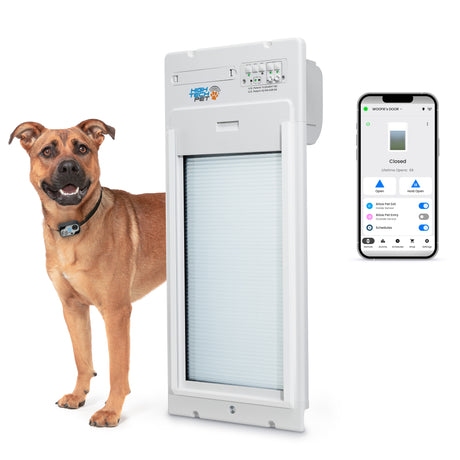


Installing a pet door can make life much easier for both you and your dog. Instead of constantly getting up to let your pet outside, a properly installed door allows dogs to move between indoor and outdoor spaces on their own schedule. For many homeowners, dog door installation is one of the most convenient upgrades they can make.
While some people hire professionals, many modern pet door systems are designed for DIY installation. With the right tools, careful measurements, and a bit of patience, installing a dog door in a door, wall, or patio can be completed in just a few hours.
In this guide, we’ll walk through the essential steps so you can confidently complete your own dog door installation at home.
Why Install a Pet Door?
A well-installed pet door gives your dog the freedom to go outside whenever they need fresh air, exercise, or a bathroom break. This independence can help reduce stress for pets and eliminate constant interruptions for owners.
Installing a pet door also offers several other benefits:
-
Improves potty training for puppies
-
Reduces scratching and barking at the door
-
Gives pets more daily activity
-
Allows easier outdoor access for dogs
Once homeowners learn how to put a doggie door in a door, many wonder why they didn’t do it sooner.
Step 1: Choose the Right Pet Door
The first step in successful dog door installation is choosing the right door for your dog and your home.
Important factors to consider include:
Dog Size
Measure your dog’s shoulder height and width to determine the correct door opening. Your dog should be able to walk through comfortably without crouching or squeezing.
Door Material
Most homeowners install pet doors in wooden or metal exterior doors. If you're installing a dog door in an exterior door, make sure the door material can be safely cut and reinforced.
Weather Protection
Look for doors that include insulation or weather sealing to prevent drafts.
Choosing the right door ensures that installing a dog door in a door provides both convenience and durability.
Step 2: Gather Your Tools
Before starting your dog door installation, gather the necessary tools. Most installations require only basic household tools.
Common tools include:
-
Measuring tape
-
Pencil or marker
-
Drill
-
Jigsaw
-
Screwdriver
-
Level
-
Safety glasses
Most pet door kits include a template that makes how to put a doggie door in a door much easier by showing exactly where to cut.
Step 3: Measure and Mark the Door
Proper placement is one of the most important parts of installing a dog door in a door.
Start by measuring the distance from the floor to your dog’s belly or chest. This measurement helps determine the correct height for the pet door opening.
Next:
-
Tape the template to the door.
-
Use a level to make sure the template is straight.
-
Trace the outline with a pencil.
Accurate measurements ensure your dog can comfortably use the door once the installation is complete.
Step 4: Drill Starter Holes
Before cutting the opening, drill starter holes in the corners of the marked template.
These holes allow you to insert the jigsaw blade and begin cutting the door panel.
When installing a dog door in an exterior door, make sure the drill holes stay within the outline to maintain a clean opening.
Step 5: Cut the Opening
Using a jigsaw, carefully cut along the traced lines.
Take your time during this step. A slow, steady cut will produce smoother edges and a better fit for the pet door frame.
After cutting, remove the center section of the door to reveal the opening.
At this stage of dog door installation, you’ll be able to test the frame placement before securing it.
Step 6: Install the Pet Door Frame
Most pet doors come with two frame pieces:
-
An interior frame
-
An exterior frame
These frames fit on opposite sides of the door and are secured together with screws.
To install the frame:
-
Insert the exterior frame into the opening.
-
Align the interior frame on the other side.
-
Secure the frames using the included screws.
This step completes the main structure of installing a dog door in a door.
Step 7: Seal the Edges
If you're installing a dog door in an exterior door, sealing the edges is important to prevent drafts and moisture from entering your home.
Use weather stripping or sealant around the frame if necessary.
Proper sealing helps maintain your home’s insulation and improves the long-term performance of the pet door.
Step 8: Test the Door
Before letting your dog use the new door, test it several times.
Check that:
-
The flap opens smoothly
-
The door closes securely
-
The frame is tightly attached
-
No sharp edges remain
Testing ensures your dog door installation is safe and ready for everyday use.
Step 9: Train Your Dog to Use the Door
Once the installation is complete, your dog may need a little encouragement to learn how to use the new door.
Training usually takes only a few minutes.
Helpful training tips include:
-
Holding the flap open at first
-
Using treats to guide your dog through the opening
-
Repeating the process several times
Most dogs quickly understand how to put a doggie door in a door and enjoy their new independence.
Common Installation Mistakes to Avoid
Although the process is straightforward, homeowners sometimes make a few common mistakes during dog door installation.
Incorrect Measurements
A door placed too high or too low can make it difficult for dogs to use.
Choosing the Wrong Size
If the opening is too small, your dog may refuse to use the door.
Skipping Weather Sealing
Failing to seal the frame can allow air leaks and reduce energy efficiency.
Careful planning helps ensure installing a dog door in an exterior door goes smoothly.
When to Consider an Automatic Pet Door
While traditional pet doors work well, many homeowners are upgrading to automatic systems.
Automatic pet doors offer features like:
-
Electronic collar activation
-
Enhanced security
-
Improved insulation
-
Smart home integration
These advanced options provide additional control while still allowing pets easy access to the outdoors.
Final Thoughts
Learning how to put a doggie door in a door is a manageable DIY project that offers long-term convenience for pet owners. With the right tools and careful measurements, installing a dog door in a door can be completed in a single afternoon.
Whether you’re installing a dog door in an exterior door or upgrading your current setup, the result is a more comfortable and flexible home for both you and your dog.
A well-installed pet door provides freedom for your pet and peace of mind for you—making everyday life just a little bit easier.
Redy to get started? Shop Power Pet automatic pet doors below - wach comes with an easy DIY install kit.