

Giving your cat the freedom to explore outdoors while keeping your home protected from wind, rain, and temperature changes starts with installing a weatherproof cat door. Unlike basic flap doors, weather-sealed and insulated models are designed to block drafts, withstand harsh elements, and support energy efficiency.
Whether you live in a rainy climate, a snowy region, or just want better insulation year-round, this guide will help you install durable, long-lasting smart pet access for your feline friend.
Let’s walk through how to install a weatherproof cat door properly, from choosing the right style to sealing it tight for protection in all seasons.
Step 1: Choose the Right Weatherproof Cat Door
Before installation, select a model that fits your climate and your cat’s size. Key options include:
Insulated cat door: Ideal for energy-conscious homeowners and extreme temperature zones. Offers layered insulation to block heat loss or heat gain.
Cold weather cat door: Built specifically for freezing temperatures, strong winds, and snow.
Energy efficient cat door: Uses magnets, gaskets, or motorized sealing to prevent drafts and protect indoor temperatures.
If you’re mounting your cat flap exterior door, make sure the product is rated for outdoor use — interior flaps are not built for weather exposure.
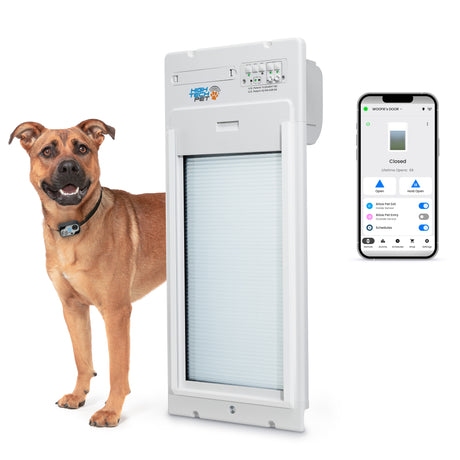
High Tech Pet's complete line of pet doors, from the Model PX-1 MEDIUM STANDARD POWER PET ® DOOR for Cats and Dogs up to 30 lbs, to the Armor Flex Small Door Mount Dog Door, to the Duraflex Heavy Duty Dog Door - Medium are the perfect size for cats and check all of the boxes above.
Step 2: Gather the Right Tools
Some cat doors (like High Tech Pet's line of doors above) come with a template and hardware. You’ll need:
- Pencil
- Tape
- Level
- Jigsaw or oscillating saw
- Drill with starter bits
- Screwdriver
- Weatherproof silicone sealant (High Tech Pet provides weather strips)
- Tape measure
- Safety glasses
Having the right tools will make installation smoother and help ensure a tight seal.
Step 3: Measure Your Cat and Mark the Door
A comfortable height is key. Your cat should be able to step through without crouching or jumping.
Pro tip: Align the bottom of the opening near your cat’s lower belly height.
Tape the provided template onto your outside cat door location and use a level to ensure it's straight. Trace your cut lines clearly.
Step 4: Cut the Opening
Drill starter holes inside each traced corner, then carefully cut along the outline with your saw.
Work slowly to ensure smooth edges and avoid splintering if you're installing into a wood door. If you're adding a cat flap exterior door to a metal or fiberglass door, use proper blades designed for those materials.
Step 5: Install and Secure the Frame
Insert the interior and exterior frames into the opening. A high-quality weatherproof cat door (like High Tech Pet's) will include bolts or screws long enough to secure both sides together tightly.
Check alignment before tightening hardware. Gaps can cause drafts.
Step 6: Seal for Weatherproofing
This step is where many DIY installers go wrong. Even the best insulated cat door can leak if not sealed properly.
Apply silicone caulk around interior frame edges. exterior frame edges, and screw holes if exposed to outside air.
Smooth the sealant for a clean finish and air-tight bond.
Note - High Tech Pet provides weather strips with our cat doors.
Step 7: Check the Flap or Panel Movement
Make sure the flap swings freely or the automatic panel operates correctly. Weatherproof doors often have thicker flaps and stronger magnets, so proper alignment matters.
If you're installing a cold weather cat door, test the latch, magnets, or smart sensors (for electronic, collar-activated doors) before letting your cat use it.
Step 8: Train Your Cat to Use the Door
Some cats get it immediately. Others need encouragement. Follow these steps:
- Hold the flap open for the first few tries
- Use treats, toys, or praise
- Practice from both sides
- Keep training sessions short and positive
Soon, your cat will confidently enjoy their new independence. Note that some pets have an easier time learning how to walk through smart pet doors which automatically open for your cat's collar(like the Model MS-5 MICROSONIC™ Ultrasonic Pet Door Collar included with the Power Pet Door), as there's no need for them to push the door open.
Important Tips for Maximum Weather Protection
Choose the Right Location
Avoid installing in direct wind channels when possible. Walls tend to offer better insulation than thin exterior doors.
Insulate Any Gaps
If installing in a wall, use insulated tunnel inserts to prevent temperature transfer.
Maintain the Door
Wipe seals monthly & inspect magnets or gaskets for debris.
Consider Automatic Sealing Models
Automatic pet doors like the Power Pet Door by High Tech Pet create the most energy efficient cat door solution, ideal for extreme climate homes.
Weatherproof Cat Door Benefits
By installing a high-quality outdoor cat door, you’ll enjoy:
- Lower energy bills
- Reduced drafts and moisture
- Comfort for your cat in every season
- Cleaner, more polished installation
- Long-term durability than traditional flaps or plastic pet doors, meaning fewer replacements and long-term savings
Consider upgrading to premium insulated cat doors, because the right product helps protect your home while giving your feline full access to fresh air and adventure.
Final Thoughts
Installing a weatherproof cat door is one of the most convenient upgrades a pet owner can make, especially for those living in areas with cold winters or hot summers. With the right insulated cat door, proper measurements, and strong sealant, you’ll enjoy a comfortable, energy-efficient home and a happy, independent cat.
Ready to find the perfect outside cat door for your weather-needs? Explore High Tech Pet’s premium, insulated, and high-seal cat doors at HighTechPet.com: engineered to stand up to the elements and built for lifelong pet freedom.