

A Fun & Functional DIY Guide
Cats love freedom, adventure, and private nooks, which is why building a cat tunnel in wall spaces has become a popular home upgrade for cat parents. Whether your feline likes to explore indoors or outdoors, or you just want to give them secure access between rooms, a built-in tunnel or cat hole in wall is both practical and fun.
This project is surprisingly straightforward with the right tools and planning. Whether you’re expanding your cat’s territory, letting them outside, connecting play spaces, or creating a pathway to a sunroom or enclosed patio, this guide will walk you through how to design and install a cat tunnel or even a DIY cat door in wall safely and stylishly.
Why Build a Cat Tunnel in Your Wall?
A wall cat tunnel has many benefits:
- Freedom of movement between rooms
- Mental stimulation and environmental enrichment
- Prevents door scratching and meowing
- Keeps litter boxes or feeding areas in their own private space
- Adds fun vertical pathways if combined with cat shelves
- Keeps cold, heat, debris, and moisture outside if used with a pet door
It’s a great option for cat-friendly homes, apartments (if allowed), and multi-pet households where cats need their own escape route.
Plan Before You Cut — Safety First
Before you start cutting drywall, planning is essential. Here’s what to check:
Wall Type
Wall tunnels like High Tech Pet's work great on their own for Interior walls that connect one room to another, but if you're cutting into an exterior wall (one that faces your yard), make sure it connects to an enclosed cat patio (catio) or you're using a pet door with airtight design and a lock.
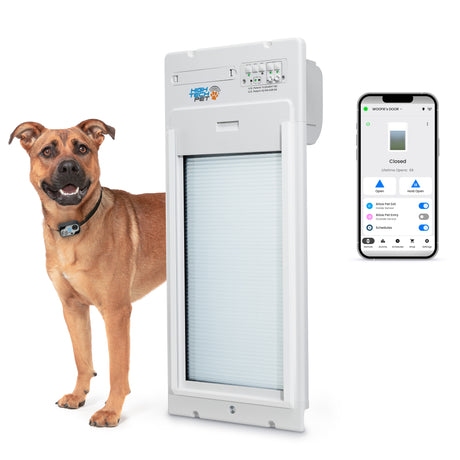
High Tech Pet's complete line of pet doors, from the Model PX-1 MEDIUM STANDARD POWER PET ® DOOR for Cats and Dogs up to 30 lbs, to the Armor Flex Small Door Mount Dog Door, to the Duraflex Heavy Duty Dog Door - Medium are the perfect size for cats and check all of the boxes above.
Studs & Structure
Use a stud finder. You want to cut between studs, not through them.
Electrical & Plumbing
Always check for wiring, water lines, HVAC ducts, and insulation depth. A small test opening can help confirm what's inside before fully cutting.
Tools & Materials You’ll Need
For your wall tunnel or DIY cat door in wall, gather these tools:
- Stud finder
- Drywall saw or oscillating tool
- Pencil & level
- Measuring tape
- Utility knife
- Safety goggles & gloves
- Cat door trim or tunnel insert
- Caulk and sandpaper (optional for smoothing edges)
- Paint or finishing trim
If you're working in a thick wall, a tunnel liner ensures clean edges and stability.
Step-by-Step: Create a Cat Tunnel in Your Wall
1. Measure Your Cat
Measure their height and width to ensure comfort. Add ~2 inches for easy clearing.
Standard openings are roughly 6" x 8" or 7" x 9", but large cats may need more space.
2. Mark the Opening
Choose a comfortable entry height for your cat, typically 6–10" off the ground.
Trace a template on the wall using a level to ensure a straight cut.
3. Cut a Pilot Hole
Start with a small opening to inspect inside the wall. This prevents surprises. Once clear, cut your full opening carefully.
4. Create Symmetrical Openings
Repeat steps on the opposite wall side, ensuring purr-fect alignment.
5. Install Trim or Tunnel Insert
You can purchase ready-made tunnel kits or trim frames designed for pet doors.
Alternatively, wood or PVC trim works for a sleek DIY finish.
Seal edges for durability and aesthetic appeal. High Tech Pet doors come with weather strips.

6. Sand, Caulk & Paint
Smooth raw edges and paint the trim to match your space. If you prefer a natural wood look, stain it instead.
Want to add flair? Try:
- Faux brick or stone lining
- Carpet or sisal-wrapped tunnel interior
- LED lights for a futuristic vibe
This is where creativity shines.
Creative Uses for a Cat Hole in Wall
There are plenty of clever ways to use your new opening:
- Link a feeding room or pantry
- Connect a laundry room or other litter box area
- Create passageways between play areas
- Give your cat an escape from their annoying siblings in multi-pet homes
- Provide access to a secure catio or backyard (if you have an outdoor cat and a compatible pet door that seals airtight and locks)
Tips for Success
- Measure twice, cut once
- Always check behind drywall first
- Smooth or seal rough edges to protect fur & paws
- Introduce the tunnel slowly to skittish cats
- Reward with treats as they start to go in and out of the tunnel
Most cats take to their wall tunnel almost instantly. Others may need a little encouragement.
Make It Cozy & Cat-Approved
Upgrade your cat tunnel in wall with:
- A removable cushion or fleece lining
- Soft LED strip lighting (low-heat only)
- A curtain or flap for privacy
- Scratching pad near the entry
Remember, cats love cozy, enclosed spaces, so think like a feline architect!

Final Thoughts
Installing a cat hole in wall or door surfaces is an easy, enriching upgrade that enhances your cat’s independence and home environment. With a little planning and creativity, your DIY cat door in wall can become one of your pet’s favorite features.
Ready to upgrade your cat's routine? Explore High Tech Pet’s smart-access cat doors, designed for safety, security, and energy efficiency, perfect for both indoor tunnels and outdoor access.
Give your cat adventure and comfort, one wall at a time.