

... and How to Avoid Them!
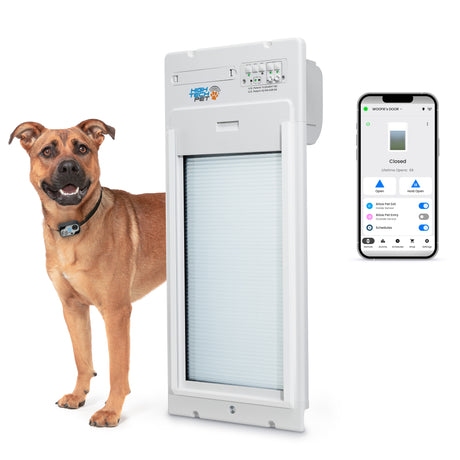
Installing a pet door can completely transform life for you and your furry friend. Instead of making constant trips to open the door, your dog or cat can come and go freely, enjoying independence while you enjoy convenience (especially if you upgrade to a remote-controlled pet door).
But successful dog door installation requires more than just cutting a square hole and putting a flap over it. Many homeowners make simple errors that lead to drafts, leaks, or even critters or burglars getting into their home.
If you’re planning on installing a dog door in a door, in a wall, or in a patio, this guide covers the most common mistakes people make and how to avoid them. Whether you’re a DIYer learning how to put a doggie door in a door, a dog door user upgrading to an electronic model, or an experienced contractor, a little preparation goes a long way.
Mistake #1: Choosing the Wrong Size for Your Pet
One of the most frequent and costly errors during dog door installation is buying the wrong size door. Many pet owners underestimate how much space their dog actually needs to move through comfortably. That's why you need to measure your pet's height, width, and weigth beforehand.
A door that’s too small can cause discomfort or injury (or your pet may just refuse to use it - what a waste!). Conversely, an oversized door may weaken your entryway and allow drafts, pests, or burglars to come in.
How to get it right:
Measure your dog’s shoulder height and width, then add about 2 inches to each. Your pet should be able to step through the opening without crouching or hopping. High Tech Pet offers a variety of standard sizes, from small doors cats can easily use to extra-large doors, so you can match the model precisely to your pet’s dimensions.

Mistake #2: Ignoring Door Material and Thickness
Not every door is the same, and not every pet door fits every material. Some DIYers start cutting their square hole before checking whether their home surface (door, wall, or patio) is compatible with their doggie door frame, only to realize their surface is too thick, thin, or uneven for the frame.
For example, installing a dog door in an exterior door (a door that leads outside your home), a wall, or a patio usually requires more reinforcement and weatherproofing than installing one indoors (say a cat door that leads to the litter box in the garage). Metal or insulated doors, in particular, can be tricky to cut without the right tools.
How to avoid this mistake:
Before you begin, confirm your door or wall's material and thickness. Purchase a pet door rated for that range. For exterior doors, choose an insulated, weather-sealed model like High Tech Pet’s Power Pet Door PX-Series, which keeps heat in and rain, wind, and pests out.
Mistake #3: Installing the Door Too Low or Too High
Another common mistake when learning how to put a doggie door in a door is improper placement. If the door is too high, small pets won’t be able to reach it. If it’s too low, you’ll lose insulation and risk water entering your home during heavy rain.
The golden rule:
The bottom of the opening should be about 1–2 inches lower than your pet’s chest height. This makes it easy for your dog to step through while keeping the flap high enough to block drafts. Take a moment to mark your measurements on the door before cutting—double-check before you commit.
Mistake #4: Not Checking for Obstructions
When installing a dog door in a door or wall, what you can’t see can hurt you, or your project. Cutting without inspecting the inside of the door or wall first can damage insulation, inner panels, or even wiring in certain homes.
Avoid surprises:
Use a drill to create a small pilot hole in the center of your marked area, then check both sides. For example, if you’re installing your new pet door on a steel or fiberglass exterior door, remove the interior panel carefully so you can visualize where your cut will go. Always follow the template included with your product (High Tech Pet includes step-by-step manuals and instructional videos for all of our pet doors).
Mistake #5: Skipping the Template or Cutting Guide
Many pet owners think they can “eyeball” their cuts. But pet doors are engineered with precise dimensions, and skipping the included cutting template almost always leads to misalignment or uneven edges.
Why it matters:
A crooked or off-center cut not only looks sloppy but can also compromise the door’s seal, leading to weather coming in or difficulty opening and closing the door.
The right way:
Tape the manufacturer’s template in place, verify it’s level, and trace it carefully before cutting. If you’re unsure, start with a small pilot hole and work your way outward.

Mistake #6: Forgetting About Weatherproofing
A lot of people assume that once the pet door is mounted, the job is done. But forgetting to seal the edges properly is one of the biggest oversights in dog door installation.
Without caulking or foam insulation, gaps can form around the frame, letting in drafts, rainwater, and insects. Over time, this can damage your door or flooring.
Fix it before it starts:
Use a weather-resistant silicone sealant around the outer frame. Check for light leaks by shining a flashlight from one side of the door to the other. If you see any gaps, reseal right away.
Fortunately, most High Tech Pet doors come with built-in airtight sealing technology to and additional weather strips to minimize maintenance and maximize energy efficiency.
Mistake #7: Forgetting to Consider Door Swing Direction
For example, when installing a dog door in an exterior door, many homeowners forget that the main door itself needs to open and close freely. If the pet door is installed too close to hinges or doorknobs, the flap can jam against the frame or wall.
Before cutting, open and close your door fully to ensure the planned spot doesn’t obstruct anything. If your door opens inward, make sure the interior frame of the pet door doesn’t interfere with rugs or furniture.
Mistake #8: Using the Wrong Tools
Trying to complete dog door installation with the wrong tools can lead to jagged cuts, stripped screws, or even damage to your door. A kitchen knife or dull saw simply won’t cut it (pun intended!).
Recommended tools:
- Jigsaw or reciprocating saw
- Power drill with correct bit size
- Level and measuring tape
- Painter’s tape and pencil for marking
- Screwdriver or power driver
- Silicone caulk and caulking gun
If you’re unsure about using power tools, consider hiring a professional installer or a local handyman familiar with pet doors. A proper cut and seal can make all the difference in durability and energy efficiency.
Mistake #9: Skipping the Training Phase
Even after you’ve mastered how to put a doggie door in a door, your pet may not understand how to use it immediately. Many pet parents assume their dog or cat will instinctively run through, but most pets need a little encouragement.
Training tips:
- Hold the door flap open at first and use treats or toys to coax your pet through
- Practice multiple short sessions over several days
-
Gradually let the flap close on its own once your dog gets comfortable.
Positive reinforcement builds confidence and ensures your pet actually uses their new door.
Mistake #10: Forgetting Long-Term Maintenance
The final mistake happens after installation—forgetting to maintain your pet door. Dust, fur, and debris can collect around the flap, preventing it from sealing properly. Hinges and magnets can wear over time, especially in wet or humid climates.
Routine care checklist:
- Wipe down the flap with a damp cloth (weekly)
- Inspect weather seals and magnets (monthly)
- Lubricate hinges (quarterly)
- Replace worn flaps or batteries as needed.
High Tech Pet makes this easy with replacement kits and accessories that keep your door performing like new for years. We also offer a one-year limited warranty on most of our doors.
Final Thoughts
A successful dog door installation can give your pet the freedom they crave while simplifying your daily routine. Avoiding these common mistakes will save you time, money, and frustration—while ensuring your door looks great and works perfectly.
Whether you’re installing a dog door in a door, a wall, or a patio, or installing a standard dog door or automatic dog door with a sensor, preparation is key. Measure twice, cut once, seal properly, and train patiently.
At HighTechPet.com, we provide everything you need to make installation simple. To learn more, and shop our full lineup of Power Pet® automatic doors - the smartest, safest way to give your pet the freedom they deserve and relieve yourself of doggie doorman duty.